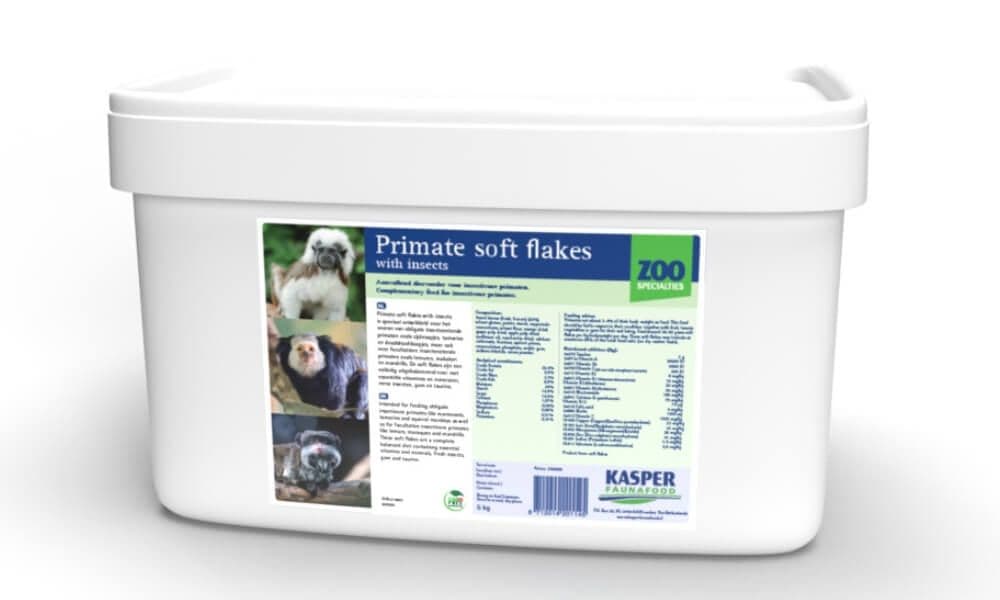
Prijs per: 5 kg emmer
Natuurlijk dieet Golden-bellied capuchin
Golden-bellied capuchin are naturally seen in eastern Brazil. They are omnivorous but their diet largely consists out of fruits, leaves, seeds and nuts. What makes them omnivorous is that they also consume insects, small vertebrates and even some crabs and oysters if available.



20-25%
If an animal weighs 3 kg and eats 25% of its body weight, it will get
3 x 0,25 = 0,75 kg feed in total per day
10% Insects and other invertebrates
10% Concentrates
20% Leafy greens and cabbages
45% Other vegetables
10% Browse
5% Other
0,1 x 0,75 kg = 75 g insects and other invertebrates
0,1 x 0,75 kg = 75 g concentrates
0,2 x 0,75 kg = 150 g leafy greens and cabbages
0,45 x 0,75 kg = 338 g other vegetables
0,1 x 0,75 kg = 75 g browse
0,05 x 0,75 kg = 38 g other
20-25%
If an animal weighs 3 kg and eats 25% of its body weight, it will get
3 x 0,25 = 0,75 kg feed in total per day
10% Insects and other invertebrates
10% Concentrates
20% Leafy greens and cabbages
45% Other vegetables
10% Browse
5% Other
0,1 x 0,75 kg = 75 g insects and other invertebrates
0,1 x 0,75 kg = 75 g concentrates
0,2 x 0,75 kg = 150 g leafy greens and cabbages
0,45 x 0,75 kg = 338 g other vegetables
0,1 x 0,75 kg = 75 g browse
0,05 x 0,75 kg = 38 g other
Variety of vegetables
Variety of leafy and green vegetables
Variety of browse (willow, aspen, birch, rowan)
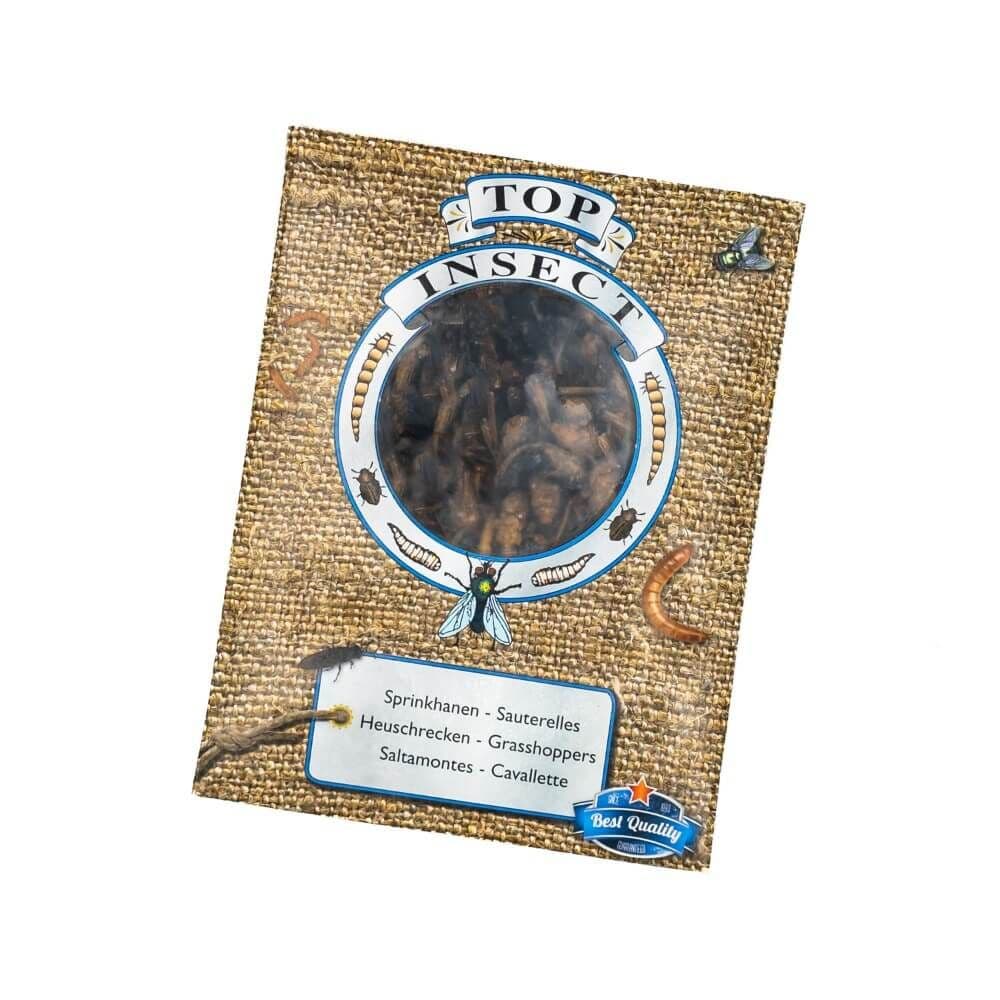
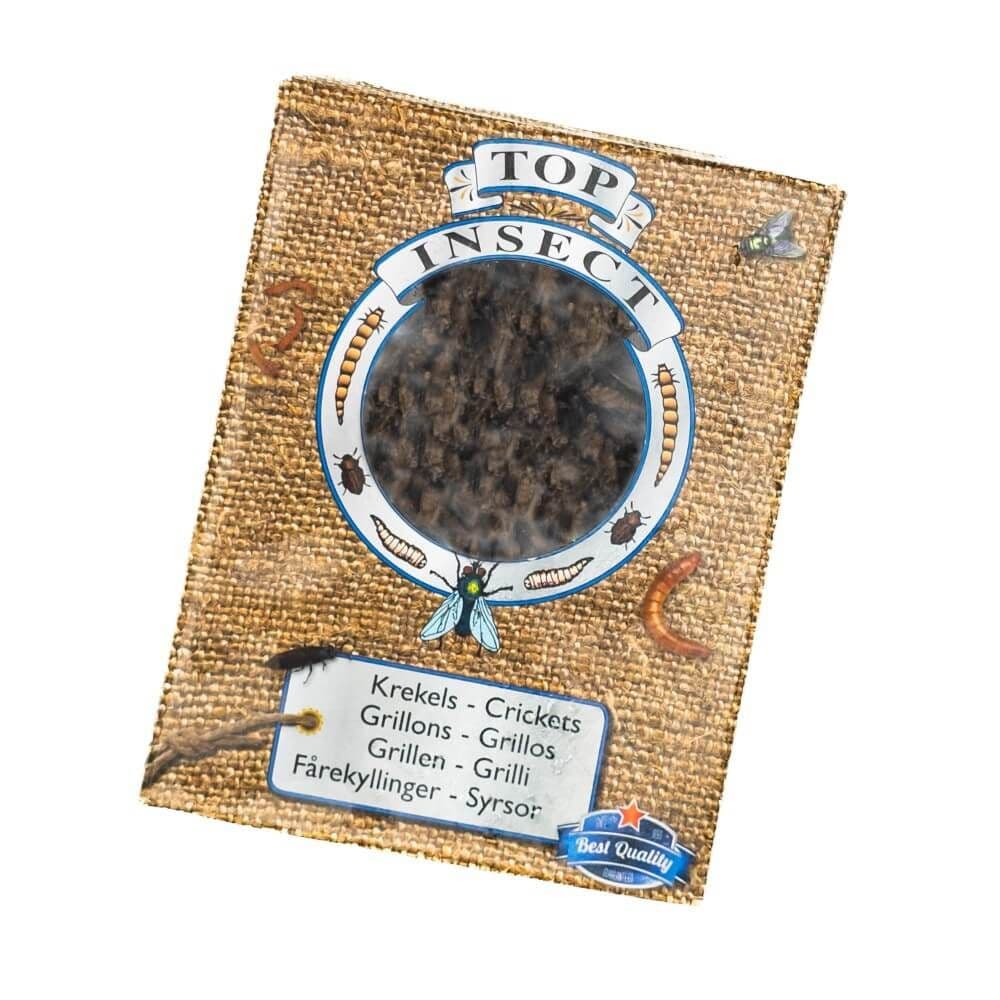
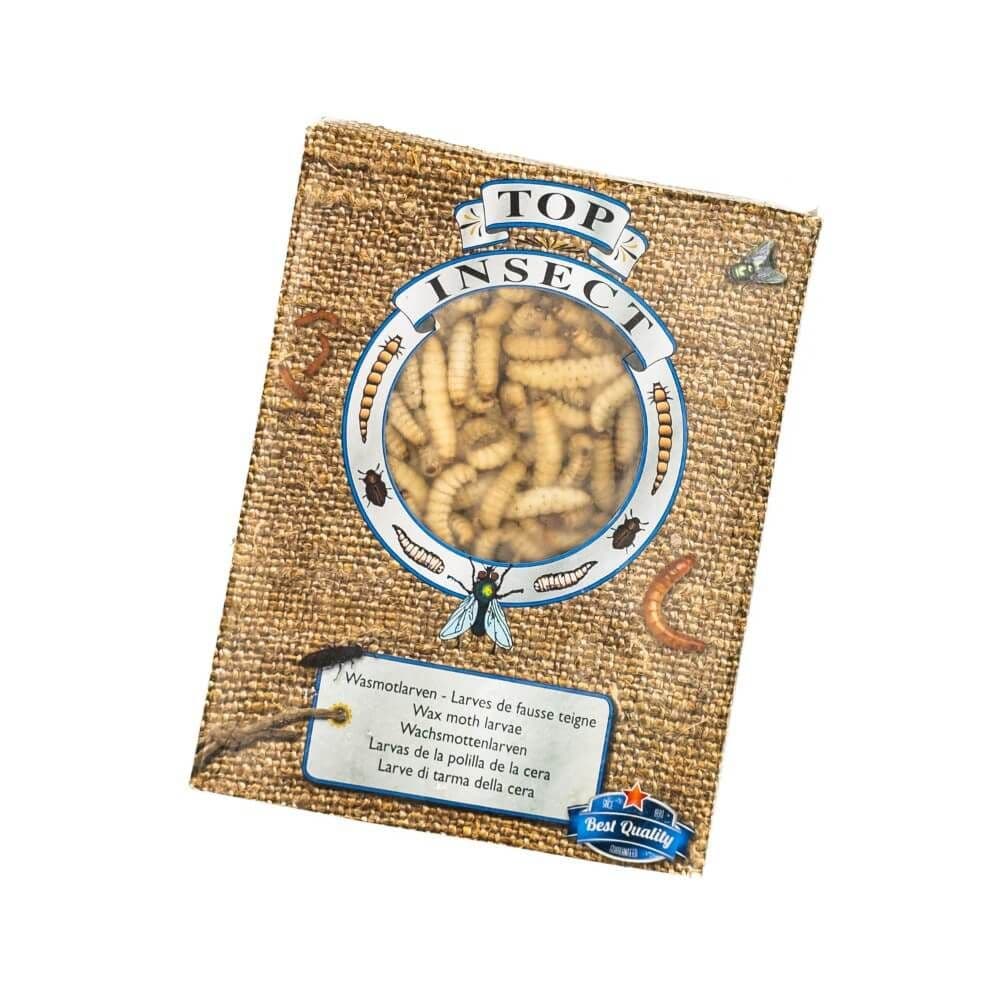
Live insects
Fruits
An unbalanced diet may result in one of these more commonly occurring diseases/conditions:
Variety of vegetables
Variety of leafy and green vegetables
Variety of browse (willow, aspen, birch, rowan)
Live insects
Fruits
An unbalanced diet may result in one of these more commonly occurring diseases/conditions:
Recommended products for this animal